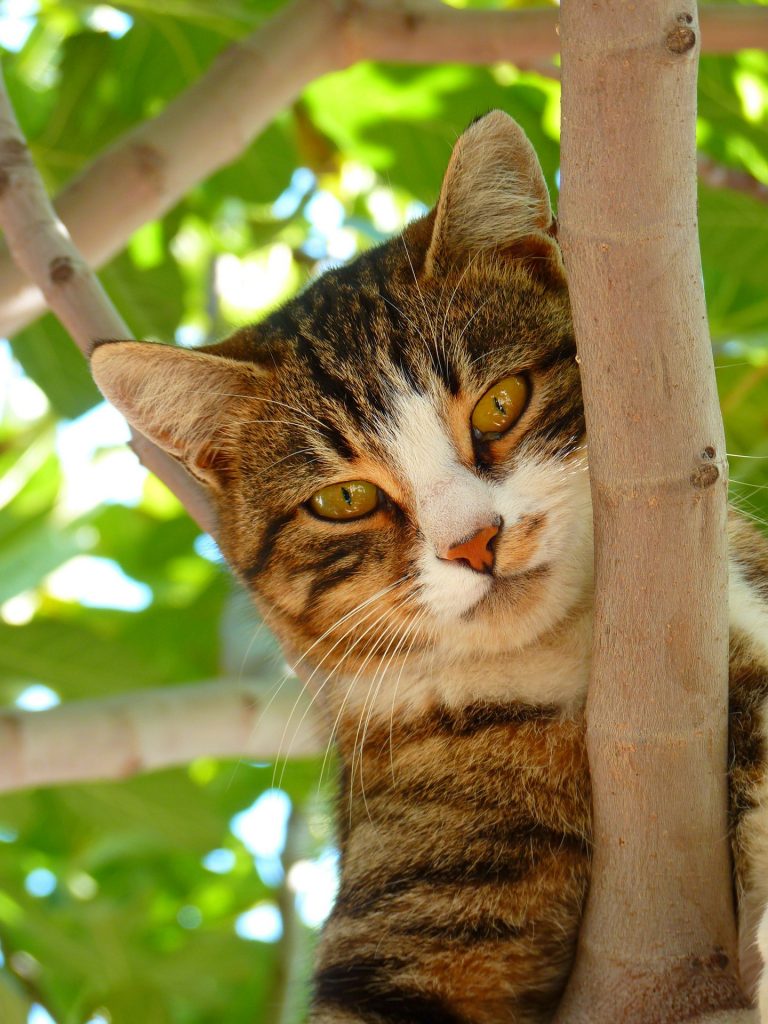
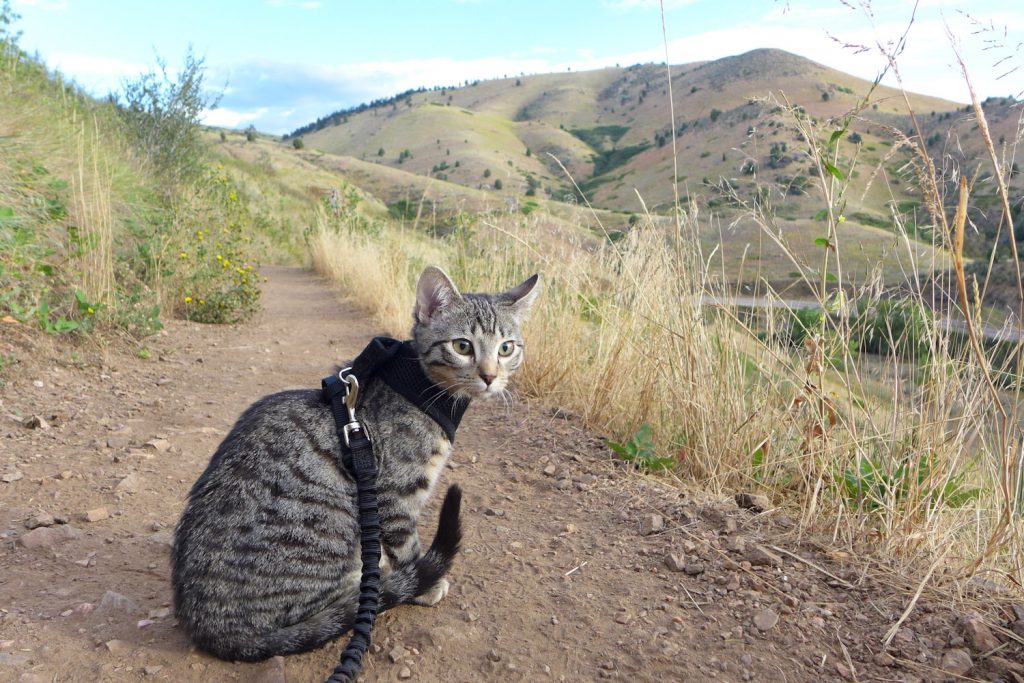
Cats can form strong bonds with their owners and often notice when they are gone. They do miss their owners, but they usually show it in quiet, subtle ways rather than loud or obvious signs. Understanding their behavior can help pet owners feel closer to their cats, even when they are apart.
Cats might act a little different, like being more clingy or searching for their owner’s scent. They aren’t as openly emotional as dogs, but their feelings are still real. This makes it important for owners to learn how cats show attachment and respond when they come back.
Knowing what cats do when alone helps owners support their pets better. Simple changes can make a big difference in keeping cats calm and happy while the owner is away.

Key Takeaways
- Cats show they care in small and quiet ways.
- They notice when their owners are not home.
- Owners can help cats feel safe during absences.
How Cats Show Attachment To Their Owners
Cats use different ways to show they care about their owners. Their actions and body language can tell a lot about how they feel. Some signs are easy to spot, while others are more subtle.
Common Signs Of Feline Bonding
Cats often follow their owners around the house. This shows they like being near them and feel safe. They may also bring small “gifts” like toys or even catch prey sometimes.
Purring is a well-known sign of comfort and happiness, especially when a cat is near or being petted by its owner. Kneading with their paws is another way cats show they feel relaxed and connected.
Sometimes, cats will sleep on or near their owners. Sleeping close means the cat trusts the person and feels secure. They rarely do this with strangers.
Body Language That Reveals Affection

Cats use body language a lot to communicate. A slow blink directed at their owner means the cat trusts and loves them. It’s like a kitty “kiss.”
Tail position is important. A cat holding its tail upright or gently curved shows friendliness. Flicking or twitching tails can mean they’re annoyed or excited, so context matters.
Rubbing their head or body against a person is a way cats mark their owner with their scent. This greeting means they see the owner as part of their group and feel close to them.
Do Cats Really Miss Their Owners?
Cats can show different behaviors when their owners are away. Some act lonely or seek more attention when their humans return. Others stay calm or seem not to notice the absence much. Understanding why this happens involves looking at science and comparing cats to other pets.
What Science And Experts Say
Scientists say cats do form bonds with their owners. Studies show cats remember their owner’s voice and smell. When left alone, some cats may show signs of stress, like pacing or meowing more.
Experts explain cats don’t show sadness like dogs do. Their ways of missing someone are more subtle. Cats might hide or act less playful if they feel lonely. But many adjust well to brief absences.
The strength of the bond depends on the cat’s personality and how often they interact with their owner. Cats used to daily affection may react more strongly to being alone.
Differences Between Cats And Other Pets
Cats are less social than dogs. Dogs are pack animals and miss their owners openly. Cats are more independent and may not seek attention as much.
Unlike dogs, cats don’t always show excitement when their owner comes home. They may approach slowly or just sit quietly nearby.
Cats rely on routine, so changes like an owner’s absence can affect them differently than pets that crave constant company. Some cats enjoy alone time and don’t stress when their humans are gone.
Here’s a simple comparison:
| Trait | Cats | Dogs |
|---|---|---|
| Social behavior | Independent | Pack-oriented |
| Showing affection | Subtle, slow to show | Open, loud |
| Reaction to absence | Quiet, may hide | Vocal, active |
Helping Your Cat While You’re Away
Cats can feel lonely or stressed when their owners leave. Giving them comfort and distractions can make the time apart easier.
Tips For Reducing Stress And Separation Anxiety
Cats like familiar things. Leaving a piece of clothing with the owner’s scent can help calm them.
Keeping a normal routine helps, too. Feeding and playing at the same times each day gives cats a sense of stability.
Some cats benefit from calming products like pheromone sprays or diffusers. These mimic natural cat scents and reduce anxiety.
If possible, having someone check in daily to feed, play, and talk to the cat can help prevent loneliness.
Recommended Toys And Activities
Interactive toys keep a cat busy. Puzzle feeders make them work for treats, which burns energy and keeps their mind active.
Catnip toys or soft balls that roll encourage play. These can distract a cat from missing their owner.
Scratching posts or climbing trees provide exercise and a way to release stress.
Rotating toys helps keep things fresh. Cats get bored quickly with the same items. Switching toys every few days can boost interest.
Frequently Asked Questions
Cats show different behaviors when their owners are away. These include changes in activity, eating habits, and signs of stress.
How do cats behave when their humans go on vacation?
Cats might become quieter or hide more than usual. Some may eat less or seem restless.
Can cats feel sad when their owner passes away?
Yes, cats can show signs of sadness. They may lose interest in food or become less active.
What are the tell-tale signs a cat has missed you?
Cats may meow more, rub against your things, or follow you around closely when you return.
Do cats actually recognize their owners after being separated?
Cats can recognize their owners by voice, smell, and sight, even after time apart.
Is it true that cats can pine for their humans during the workday?
Cats often wait by doors or look toward where their owners leave. They may seem more eager for attention.
How do cats cope when they’re rehomed away from their original owner?
Cats often take time to adjust. They may hide or act shy but usually warm up with patience and care.