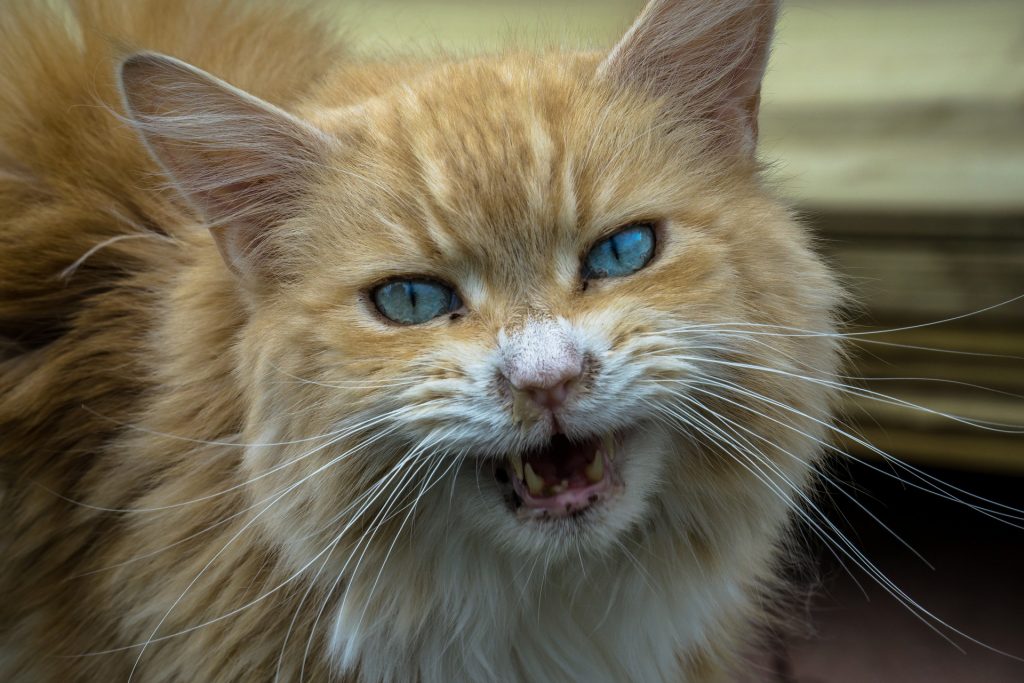
Lots of cats struggle with anxiety, but honestly, it’s not always obvious to spot. If your cat starts hiding, grooming too much, or acting aggressive out of nowhere, anxiety might be the culprit.
Changes like trouble eating, sleeping differently, or skipping the litter box are pretty telling. You’ve got to pay attention to patterns over time, though.

Key Takeaways
- Weird new behaviors can mean your cat’s anxious.
- Anxiety usually shows up as changes in daily habits.
- Spotting the signs early gives you a head start on helping your cat chill out.

Signs Your Cat Might Have Anxiety
Anxious cats act differently—sometimes it’s in their body, sometimes in their mood. They’re not just being playful or shy; it’s something else.
Learning what to look for can make a big difference.
Common Behavioral Changes
Some anxious cats hide a lot, like under the bed or in dark corners. You might catch them pacing or wandering restlessly for no clear reason.
They might start avoiding you or other pets, even if they used to be friendly. Some get extra chatty, meowing at weird hours, while others scratch up your stuff more than usual.
Litter box issues are a big clue too. Skipping the box or going outside it can mean they’re upset.
Physical Symptoms to Watch For
Sometimes anxiety shows up physically—like heavy breathing or a racing heart. Some cats lick or bite their fur so much they get bald spots. That’s overgrooming.
You might see trembling or shaking, especially at the vet or in new places. Their eyes might look huge and dart around, like they’re on high alert.
Skipping meals or drinking less water can also be a sign. If your cat suddenly loses interest in food, don’t ignore it.
Differences From Normal Cat Behavior
Not every quiet or shy cat is anxious. Some just want alone time, and that’s fair.
The difference? With anxiety, the behavior is way more intense and just doesn’t let up. Hiding for an hour after a loud noise is fine; hiding all day, every day—yeah, that’s a red flag.
Some scratching is normal, but if your cat’s tearing up the house, that could be stress talking.
If the weird behavior sticks around or gets worse, anxiety could be behind it.
What Causes Cat Anxiety?
Cat anxiety pops up for all sorts of reasons. Sometimes it’s about what’s happening around them; other times, it’s health or genetics.
Both can make a cat feel on edge.

Environmental Triggers
Cats are creatures of habit. They really don’t like sudden changes. New homes, new people, or a new pet can throw them off. Loud noises—fireworks, construction, even a blender—can freak them out.
Even messing with their routine, like feeding them at a different time, can cause problems. The space itself matters too. If things are crowded or dirty, cats might not feel safe.
They need quiet spots to hide or climb, otherwise stress builds up fast.
Medical and Genetic Factors
Sometimes health issues are the cause. Pain, injury, or illnesses like thyroid problems can make cats act anxious. If your cat suddenly seems nervous, a vet check is smart.
Genetics can play a role too. Breeds like Siamese tend to be more anxious. Cats who’ve had a rough start in life or weren’t socialized well as kittens are more likely to struggle with anxiety.
It’s often a mix of these things.
How to Confirm If Your Cat Has Anxiety
Watch for changes in your cat’s behavior or health. Sometimes it’s pretty clear, but other times you need a pro to help figure it out.
When to Visit the Vet
If your cat suddenly changes how much they eat or drink, or starts skipping the litter box, call the vet. These could be medical or anxiety problems.
Hiding a lot, grooming too much, or acting aggressive are also reasons to check in with the vet. They’ll look for health issues and suggest what to do next.
If you’re not sure, it’s better to ask a vet than guess. Anxiety can look like other illnesses, so a pro’s opinion keeps your cat safe.
Home Observation Tips
Pay attention to your cat’s daily routines. Are they hiding more, shaking, pacing, or yowling for no reason?
Notice if they’re eating or sleeping differently. Too much grooming—or not enough—can both be signs of stress.
Try jotting down what you see for a week or two. A little diary helps the vet see the big picture and give better advice.
Supporting Your Anxious Cat
Helping an anxious cat isn’t rocket science, but it does take a little effort. Making their space feel safe and keeping them entertained goes a long way.
Creating a Calmer Environment
Cats love quiet, cozy spots. Give them hiding places—covered beds or boxes work great—so they have somewhere to retreat when things get stressful.
Try to avoid loud noises or sudden movements near their favorite spots. Stick to a routine if you can. Feeding, playtime, and cuddles at the same time each day help them feel secure.
Consider calming sprays or pheromone diffusers. These release scents that relax cats without any meds. Soft lighting and a warm window perch can be surprisingly comforting too.
Helpful Enrichment Activities
Play is a big deal for anxious cats. Toys like feather wands or laser pointers help burn off extra energy and nerves.
Puzzle feeders or treat toys keep their minds busy and distract them from stress. Boredom makes anxiety worse, so mix things up.
If it’s safe, let your cat explore outside with a harness or in a secure yard. Watching birds or smelling fresh air can be super calming.
Frequently Asked Questions
When cats get anxious, they show it in their behavior and body language. Sometimes the signs are obvious, other times they’re sneaky. Figuring out what’s stressing them out—and how they react—really helps you give better care.
Can you tell when your cat is feeling stressed out?
Usually, yeah. Hiding, overgrooming, or not eating like normal are big clues. Some cats get loud or even a little mean, too.
What are some natural remedies to chill out an anxious kitty?
Calming sprays, soft music, or a safe hideaway can help. Some folks try herbal stuff like catnip or valerian, but it’s smart to ask your vet first.
How do those kitty panic attacks go down?
During a panic attack, a cat might bolt, hide, or hiss. You might see them breathe fast, tremble, or seem totally confused.
Is your lady cat seeming extra anxious lately?
Female cats sometimes get more anxious in heat or during pregnancy. Even small changes at home can set them off.
What’s your cat’s body saying about their stress levels?
Watch for flattened ears, twitching tails, or wide pupils. A stressed cat might crouch low or puff up their fur, too.
Do cats get weird when they miss you?
Yeah, cats can get a little odd if they’re missing you. Some turn clingy or meow more than usual.
Others might just disappear for a while or look a bit distant. It’s their way of saying, “Hey, where’d you go?”