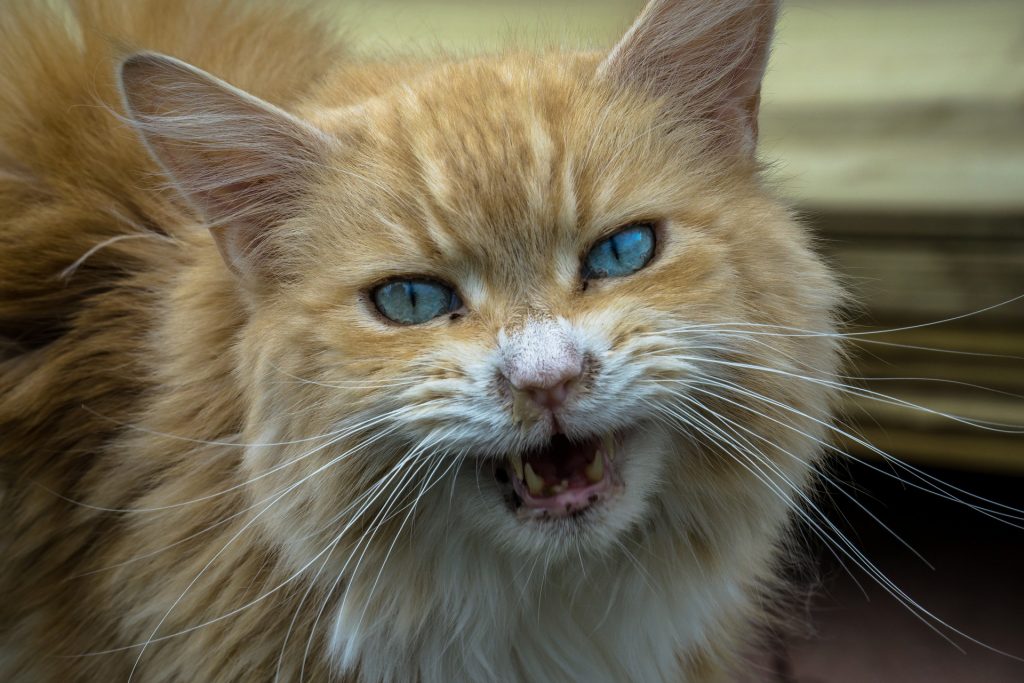
Cats don’t always make it obvious when they’re hurting. Changes in behavior like hiding, limping, or shying away from touch can mean your cat’s in pain.
Paying close attention to how your cat acts really matters. Sometimes they’ll stop eating or quit grooming themselves when they don’t feel well.
They might get more vocal or even a little aggressive, which isn’t like them at all. If you know your cat’s regular habits, you’ll spot when something’s off.

Key Takeways
- Cats often hide signs of pain, but changes in behavior can reveal it.
- Look for limping, hiding, or changes in eating and grooming routines.
- If you think your cat’s in pain, get a vet’s help as soon as you can.
Recognizing Signs of Pain in Cats
Cats show pain in all sorts of ways. Some signs are behavior changes, some are physical, and others are about how (or if) they groom.
Knowing these hints early can help you catch problems before they get worse.
Changes in Behavior
A cat in pain might suddenly start hiding a lot. They could avoid you or stop playing altogether.
Some cats get snappy or hissy if you try to touch them. You might notice them moving less or walking stiffly.
They could sleep more, or seem anxious—maybe pacing or acting restless. A usually social cat might suddenly withdraw or ignore their food.
Watch if your cat stops using the litter box. Sometimes it just hurts too much to squat.
Physical Symptoms to Watch For
Check how your cat moves. Limping, favoring a paw, or holding one up can mean something hurts.
If you see swelling, redness, or heat on any part of their body, that’s a big red flag. Cats might squint, blink slowly, or have watery eyes if their head or neck hurts.
Heavy breathing or a fast heartbeat can show pain too. Sometimes, they’ll make odd sounds—low meows, growls, or purrs that don’t sound quite right.
Altered Grooming Habits
Healthy cats usually keep themselves pretty clean. If they stop grooming or obsessively lick one spot, pain might be the reason.
Over-grooming can leave bald patches or even sores. Pain sometimes keeps cats from reaching certain spots, so their fur ends up messy or greasy.
If you see your cat licking or biting at one area a lot, it’s worth checking out. Grooming changes often give away where and how much your cat hurts.

Common Causes of Pain in Cats
Cats feel pain for all sorts of reasons. Sometimes it’s a sudden injury, other times it creeps up from illness or dental problems.
Injuries and Accidents
Cats get hurt from falls, fights, or run-ins with cars. These things can lead to cuts, bruises, broken bones, or sprains.
Even little wounds can hurt a lot, and if they aren’t treated, they might get infected. Signs of pain from injuries include limping, hiding, or licking the sore spot over and over.
If your cat suddenly stops jumping or moving like normal, something’s probably wrong. It’s smart to get a vet to check things out after any injury.
Chronic Diseases
Some illnesses cause pain that just doesn’t go away. Arthritis is super common in older cats and makes their joints ache and stiffen up.
Kidney disease and cancer can also bring ongoing discomfort. Cats dealing with this kind of pain might slow down, sleep more, or act grumpy.
They may quit grooming themselves, too. These changes can be subtle, so keep an eye out for anything unusual.
Dental Issues
Bad teeth or sore gums can make cats miserable, even if they don’t show it much. Gum disease, cracked teeth, or infections make eating tough and can cause drooling.
Watch for bad breath, pawing at the mouth, or suddenly refusing dry food. Routine dental care and checkups can help prevent these problems.
What to Do If You Suspect Your Cat Is in Pain
If your cat seems to be hurting, don’t ignore it. Sometimes you need a vet right away, but other times, you can help at home.
When to Call the Vet
If your cat’s limping badly, not eating for more than a day, or seems super weak, call the vet. Sudden hiding or acting aggressively can also mean something serious is going on.
For injuries like bleeding wounds or repeated vomiting, get to the vet fast. If your cat is breathing weirdly or seems confused, don’t wait around.
Home Care Tips
If the pain doesn’t seem severe, set up a quiet, cozy spot away from noise and other animals. Soft bedding and easy access to food and water help a lot.
Don’t force your cat to move if they don’t want to. Gentle petting can be nice, but only if your cat’s into it—watch for signs they’re uncomfortable.
Never give your cat human painkillers—they can be deadly. If your cat isn’t eating, try warming up their food or offering strong-smelling stuff like canned tuna or special treats.
Keep an eye on them and jot down any changes so you can update your vet if things get worse.
Frequently Asked Questions
Cats might act differently, move oddly, or skip meals when they’re hurting. Spotting these things early can help you get your cat the care they need.
What are the signs my cat might show if they’re hurting?
Your cat might hide more or just seem less active. Sometimes they’ll lick or bite a sore area, or change their eating and grooming routines.
Can certain body postures indicate my cat is in pain?
Definitely. A hunched back, tense muscles, or avoiding movement can all hint at pain.
Cats might also sit in weird positions to protect a sore spot.
How can I spot if my older cat is dealing with pain issues?
Older cats might move slower, limp, or skip jumping. You might notice them sleeping more or just not wanting to play or hang out.
In what ways does cancer cause pain in cats, and how can I recognize it?
Cancer can bring lumps, swelling, or sore spots. If your cat stops eating, loses weight, or gets cranky when you touch certain areas, pain could be the cause.
What should I look out for to tell if my cat’s internal discomfort is serious?
Watch for things like vomiting, not eating, breathing trouble, or being super tired. If your cat suddenly starts acting weird, don’t wait—call the vet.
How do kidney problems cause pain in cats, and what are the signs?
Kidney pain can make cats drink and pee more than usual.
They might act tired, have bad breath, or seem a bit nauseous.