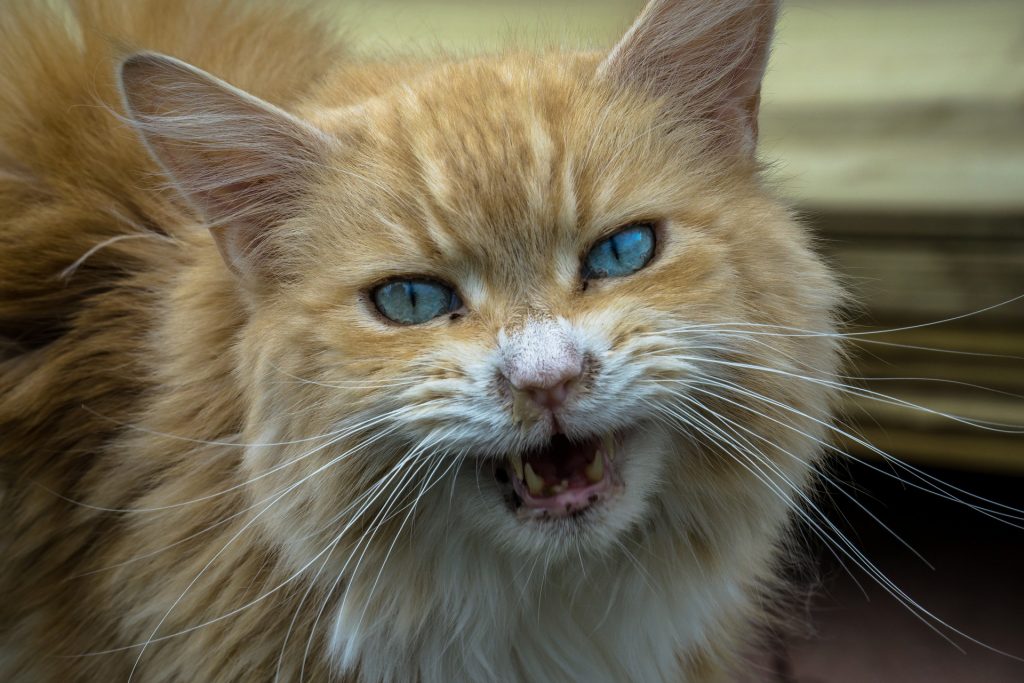
Plenty of cat owners wonder if their furry friend should stay inside or get a taste of the outdoors. Both routes have their perks and pitfalls, but indoor cats usually live longer and dodge more accidents and diseases.
The choice really depends on your cat’s personality and your own living setup. Outdoor cats get more freedom and exercise, but they deal with traffic, predators, and the risk of getting lost.
Indoor cats stay safer and often grow closer to their humans through daily play and care. Understanding these differences can help you decide what’s best for your cat’s health and happiness.

Key Takeways
- Indoor cats often have longer, safer lives than outdoor cats.
- Outdoor cats get more exercise but face higher risks.
- The best choice depends on the cat’s needs and the owner’s lifestyle.
Key Differences Between Indoor and Outdoor Cats
Indoor and outdoor cats live pretty different lives. Their daily routines, health risks, and behaviors often depend on where they spend most of their time.
These differences shape how owners care for them. Let’s break it down a bit.
Lifestyle and Daily Experiences
Indoor cats hang out mostly inside. They tend to have set routines—lots of naps, play sessions, and food breaks.
Their world is smaller, usually just rooms and furniture. Outdoor cats, on the other hand, get to roam a bigger area.
They climb trees, hunt, and wander further. That means more exercise, but also more chances to get lost or run into trouble.
Indoor cats might not move around as much, but they get more human interaction. Outdoor cats meet other animals and get mental stimulation from nature.
Safety and Health Considerations
Indoor cats avoid dangers like cars, predators, or fights. They’re less likely to catch diseases or pick up parasites.
Owners can monitor their diet and environment more closely. Outdoor cats risk injuries from accidents or animal attacks.
They can pick up fleas, ticks, or viruses much more easily. Outdoor cats need regular vet visits and extra care.
Owners of outdoor cats should use flea control and check for wounds often. Vaccinations and check-ups matter for both, but outdoor cats need them even more.

Behavioral Traits and Socialization
Indoor cats usually rely on their humans for attention and play. They’re often calmer and easier to train since their environment doesn’t change much.
Outdoor cats tend to be more independent. They might act bolder or more territorial after run-ins with other animals.
Social skills vary—a cat that meets lots of wildlife will act differently than one who mostly sees people. Indoor cats can get bored or anxious if they don’t have enough to do.
Outdoor cats have richer experiences, but all those threats can make them cautious or even a bit aggressive.
Pros and Cons of Keeping Cats Indoors
Keeping cats inside means they’re safer, but they might get bored or develop health issues if you don’t keep things interesting. Owners need to know the upsides and downsides to give their cats a good life.
Benefits of Indoor Living
Indoor cats stay away from traffic, predators, and nasty weather. That lowers their chances of getting hurt or picking up fleas and ticks.
They usually live longer since they avoid so many dangers. Plus, they don’t hunt wildlife, which is good for local birds and critters.
Owners can control their food and keep a close eye on their health. Indoor cats often become pretty close to their humans since they’re around them so much.
Potential Challenges For Indoor Cats
Indoor cats can get bored or stressed if there’s not enough to do. Without toys, scratching posts, or playtime, they might start scratching furniture or eating too much.
Not moving enough can lead to weight gain or other health problems. Owners need to provide activities that keep cats active and entertained.
Some cats get anxious if they never see the outside world, even from a window.
Pros and Cons of Letting Cats Go Outdoors
Outdoor cats get tons of freedom and new experiences. But all that adventure comes with real risks to their health and safety.
Advantages of Outdoor Exploration
Cats love exploring. Being outside lets them climb, chase bugs, and hunt small animals.
This keeps them fit. Fresh air and sunlight are great for their health—sunlight helps with vitamin D, which is important for bones.
Outdoor cats usually don’t get as bored. Their surroundings keep their minds busy, so they’re less likely to scratch furniture or meow all day.
Risks and Dangers Facing Outdoor Cats
Outdoor cats deal with a lot of dangers. Cars are a big threat—they can get hit crossing roads.
Other animals can cause trouble, too. Fights with dogs or other cats might lead to injuries or spread diseases.
Parasites like fleas, ticks, or worms are more common outside. Some diseases, like FIV, spread more easily outdoors.
Poisonous plants or chemicals in gardens can also be a problem. And, sadly, some cats get lost or stolen when they go outside.
Making the Best Choice for Your Cat
Deciding if your cat should stay inside, go outside, or do a bit of both really depends on what fits your cat’s vibe and your own lifestyle. It’s worth thinking about your cat’s personality and how to keep them safe and content.
Matching Lifestyle to Personality
Some cats are natural explorers, while others are homebodies. If your cat’s curious, maybe try supervised outdoor time.
But if your cat seems anxious, they’ll probably be happier indoors. Watch how your cat reacts to new stuff—if they’re calm inside, they might not need outdoor time at all.
If they’re always bored or restless, some outdoor activity could help reduce stress. Health matters, too—sick or older cats usually do better inside where it’s safer and warmer.
Blending Indoor and Outdoor Experiences
Lots of folks go for a mix. You could set up a safe outdoor spot like a catio or fenced yard, so your cat can explore without much risk.
Leash walks can work for active cats who want to see the world but need protection. That way, you avoid dangers like cars and aggressive animals.
Sunlight and fresh air are great, but supervision matters. The real goal is to give your cat some freedom while keeping them safe from traffic or toxins around the neighborhood.
Frequently Asked Questions
Indoor cats usually live longer, but they behave differently than cats who go outside. Outdoor cats face more risks but get extra exercise and stimulation.
Feeding and health needs change based on where your cat spends most of their time.
Do indoor cats live longer than outdoor cats?
Yep, indoor cats generally live longer. They avoid dangers like cars, predators, and diseases.
Outdoor cats have a higher risk of getting hurt or sick.
What are the main differences in behavior between indoor and outdoor cats?
Outdoor cats are more active and curious. They hunt and explore more.
Indoor cats rest a lot and rely on toys or people for play.
Can outdoor cats be healthy and safe in an urban environment?
They can, if owners watch out for traffic and other risks. Vaccinations and regular vet visits are a must.
Still, dangers like cars and other animals are always there.
What are the benefits and downsides of keeping a cat exclusively indoors?
Indoor cats are safer from accidents and diseases. They stay close to their owners and are easier to keep an eye on.
But they might get bored or gain weight if they don’t get enough playtime.
Is it necessary to feed indoor cats a different type of food than outdoor cats?
Indoor cats usually need fewer calories since they’re less active. Outdoor cats might need food with more energy for all that running around.
How does the freedom of an outdoor environment impact a cat’s wellbeing?
Letting a cat roam outdoors gives them a chance to act on their instincts. They get to climb, explore, and hunt—things cats just love doing.
But it’s not all sunshine and butterflies. Outdoor cats deal with risks and stress that indoor cats simply never encounter.