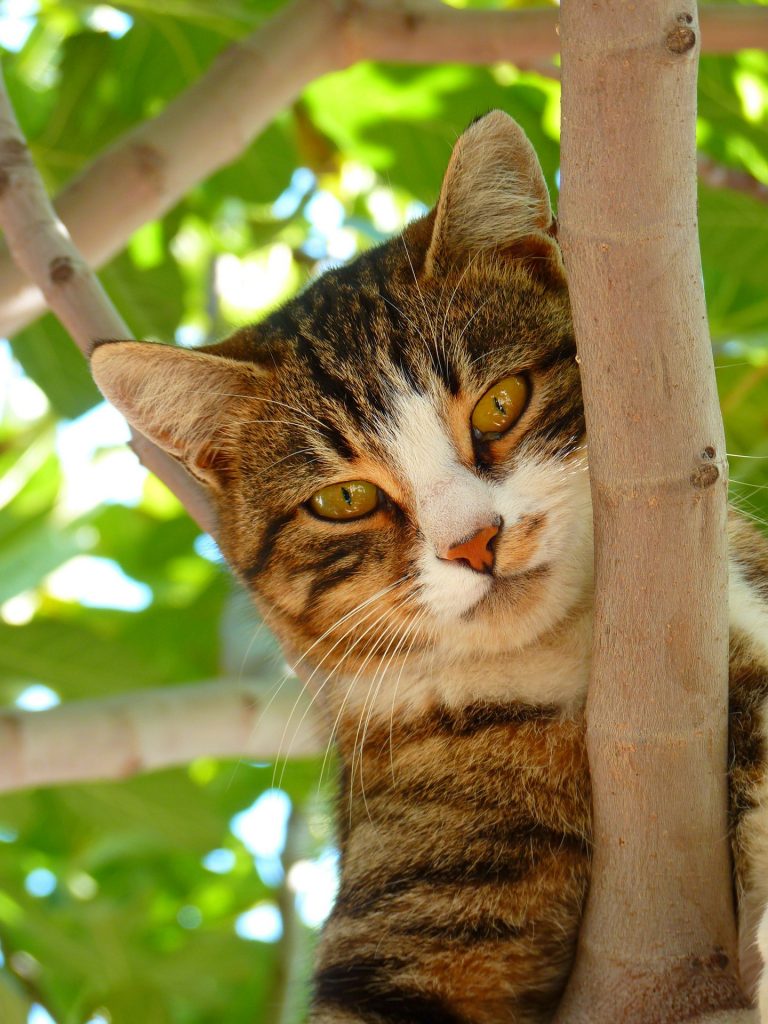
Cats paw at mirrors because they spot their own reflection and think it’s another cat. They get curious or even a bit confused, trying to interact with what looks like a playmate or rival.
This is pretty normal. It just shows their natural interest in anything new or odd.
Sometimes, cats are simply exploring the mirror with their paws, trying to figure out what it is. If the reflection moves or the light changes, the mirror gets even more interesting to them.

Key Takeaways
- Cats may paw at mirrors because they see their reflection as another cat.
- This behavior is a sign of curiosity, not usually a cause for concern.
- Owners can help redirect their cat’s attention if needed.
Why Do Cats Paw at Mirrors?
Cats touch mirrors because they react to what they see or sense. Sometimes it’s curiosity, sometimes confusion, and sometimes it’s about defending their space.

Exploring Curiosity and Play
Cats are naturally curious. When they spot a mirror, they might paw at it just to check out this shiny new object.
Pawing lets them test if the “image” moves with them or changes when they touch it. Some cats just enjoy the reflection as a kind of game, especially if light or shadows flicker on the glass.
This playful behavior keeps them mentally active. The mirror becomes something new to investigate in their world.
Mistaking Reflections for Other Cats
Cats don’t get mirrors the way people do. They often think their reflection is another cat.
When a cat sees itself, it might try to interact by pawing, hoping to play or send a message. The reflection copies every move, which can be confusing.
The cat might keep pawing, waiting for the other “cat” to react differently. This happens more if the cat is new to mirrors or hasn’t seen its reflection before.
Territorial Behaviors
Cats are territorial and might see their reflection as a rival in their space. Pawing at the mirror can be their way of saying, “Hey, this is my spot.”
Sometimes you’ll see hissing or a puffed-up tail along with the pawing. Usually, this behavior fades as the cat gets used to the mirror and realizes the reflection isn’t a real threat.
Understanding Feline Reactions to Their Reflections
Cats react to mirrors because they don’t realize the image is actually them. Age and past experiences shape how each cat responds.
Lack of Self-Recognition in Cats
Cats don’t have self-recognition like we do. When they see their reflection, they think it’s another cat.
This confusion makes them paw at or stare at the mirror. Sometimes they hiss, meow, or try to play with their “twin.”
Unlike some animals, cats don’t pass the “mirror test.” They usually don’t get that the mirror shows their own body.
How Kitten vs. Adult Cats Respond
Kittens are usually more curious and playful around mirrors. They’ll paw or even jump at reflections as if it’s a moving toy.
Adult cats might act more cautious or even defensive. Some ignore the mirror after a while, but others stay interested or a little puzzled.
Experience matters, too. Cats who see mirrors a lot eventually stop reacting so strongly. A new mirror, though, can renew their interest or concern.
Should You Be Concerned About Mirror Pawing?
Cats usually paw at mirrors because they’re curious or want to play. Sometimes it’s just normal, but other times it might hint at stress or confusion.
Distinguishing Playful vs. Stress Behaviors
Playful pawing looks quick and light. The cat might tilt its head or look relaxed while doing it.
They might repeat the behavior but stay calm and show no fear. Stress pawing is different—more aggressive, maybe with hissing or fast swipes.
Look for flattened ears, a twitching tail, or wide eyes. Those are signs your cat might be upset or anxious.
Key signs of playful pawing:
- Soft, gentle taps
- Relaxed body posture
- Quick curiosity
Signs of stress pawing:
- Hard, fast swipes
- Tense body, ears back
- Vocalizing like hissing or growling
When to Redirect or Intervene
If your cat shows stress, try to redirect its attention. Offer toys or gently move it away from the mirror to help it calm down.
If your cat paws at the mirror too much, it could get hurt or break something. Giving other fun activities can keep it busy and safe.
If the stress keeps up, maybe give your cat a quiet space without mirrors. Keep an eye on things so you know when to step in and help.
Tips to Manage and Redirect Mirror Pawing
Cats paw at mirrors because they see their reflection and think it’s another cat. To help them stop this behavior, you can offer other things to play with or just make mirrors less interesting.
Providing Alternative Entertainment
Give your cat fun toys to distract it from the mirror. Interactive toys like feather wands or rolling balls can keep it busy for ages.
Puzzle feeders are great, too—they make your cat focus on food instead of the mirror. Spending a few minutes each day playing uses up extra energy.
Cats love climbing. Try adding a cat tree or shelves for new spots to explore. This helps keep their attention off the mirror.
Making Mirrors Less Interesting
Cover mirrors with curtains or removable stickers to block the view. That stops the reflection and cuts down on curiosity.
Put mirrors higher up or in rooms the cat doesn’t visit much. If it can’t see itself, it’ll probably leave the mirror alone.
Sometimes, just turning on a soft light makes the reflection less clear. That can lower your cat’s interest, too.
Frequently Asked Questions
Cats react to reflections, smooth surfaces, and walls in ways that can seem a little odd. They’ll swipe, paw, or scratch to figure out what they’re seeing.
What’s up with my cat trying to fight their reflection at night?
Cats see their reflection as another animal. At night, low light makes it even harder for them to tell it’s just themselves.
They may paw or swipe out of curiosity or maybe just mild irritation. It’s not really aggression—just confusion.
Any idea why my kitty likes to swipe at smooth surfaces?
Smooth surfaces like mirrors or glass don’t feel like usual textures. Cats might paw at them just to test if it’s solid.
Sometimes, they catch a glimpse of movement or light and get interested. It’s part curiosity, part play.
What’s the deal with cats and their obsession with walls?
Cats paw at walls because they hear sounds or spot tiny bugs. The wall can seem like a mystery they want to solve.
It’s also a good way for them to stretch and keep their claws sharp. Who knows, maybe they just like the challenge.
Has anyone figured out why cats go to town on windows?
Windows show movement outside—birds, leaves, whatever’s out there. That grabs a cat’s attention in a big way.
Swiping at windows is their way of interacting with the outside world. Sometimes they also want to mark their territory.
Can someone explain why my furball is attacking the TV?
TV screens change quickly and show moving images. Cats might think it’s prey or just get caught up in the motion.
They’re not hurting the TV on purpose—they’re just curious and playful. Can you really blame them?
What makes my cat think the glass door is their new scratching post?
Glass doors are smooth and often reflect light in odd ways. Cats might try scratching them just because they look intriguing or catch their attention.
Sometimes, your cat’s just trying to leave a scent mark. Sure, glass isn’t wood or carpet, but to them, it might feel close enough.