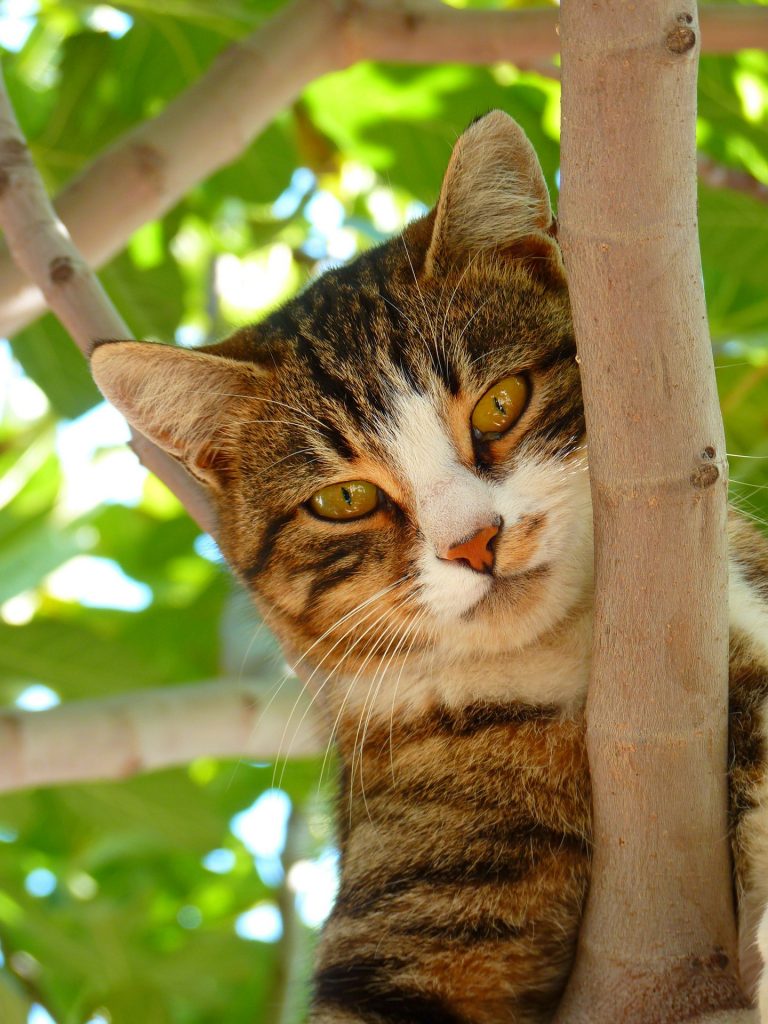
If your cat is crying at night, you’re not alone — nighttime vocalization is one of the top complaints from cat owners worldwide. Whether it’s a plaintive meow, a loud yowl, or an incessant howl at 3 AM, a cat crying at night almost always has a specific, fixable cause. The key is identifying which of the seven common triggers applies to your cat, and then responding with the right solution. This guide covers every major reason, plus practical steps you can take tonight.
1. Hunger: The #1 Reason Cats Cry at Night
Cats are crepuscular — naturally most active at dusk and dawn — which means their internal hunger clock often peaks in the early morning hours, well before your alarm goes off. If your cat’s last meal was at 6 PM, a cry at 2 AM is very likely a simple hunger signal. The solution is to redistribute daily calories: add a small scheduled late-evening feeding, or invest in an automatic cat feeder that can dispense a measured overnight portion without you having to get out of bed. Automatic feeders are especially useful for cats who have learned that crying gets them a meal — removing your presence from the equation breaks that association entirely.
2. Stress and Anxiety-Driven Nighttime Crying
Cats are creatures of routine. A new pet, a move, a new baby, a change in your work schedule, or even rearranged furniture can destabilize a cat’s sense of security and trigger stress-based vocalization — especially at night when the house is quiet and any discomfort is amplified. A stressed cat crying at night will often pace, hide, over-groom, or refuse food alongside the vocalizations. Understanding the difference between stress-crying and other causes requires reading your cat’s body language carefully. For ongoing anxiety, calming treats for cats formulated with L-theanine, chamomile, or melatonin offer a gentle first-line intervention. For travel-induced anxiety specifically, calming treats for cats during travel are formulated for short-term acute stress.
3. A Medical Problem You Shouldn’t Ignore
A cat that suddenly starts crying at night — especially after years of silence — is sending a red flag. Hyperthyroidism, hypertension, kidney disease, urinary tract infections, arthritis pain, and neurological conditions can all cause nighttime vocalization. Pain is one of the most common and overlooked causes; cats are stoic animals that hide discomfort during the day but may express it vocally at night when distractions disappear. If your cat is also not eating and sleeping more than usual, or if you notice signs described in our guide on how to tell if your cat is sick and has a fever, schedule a veterinary appointment promptly. Sudden-onset nighttime crying in a previously quiet cat warrants medical attention first, before assuming behavioral causes.
4. Your Cat Is in Heat (or Smells One)
Intact female cats in heat produce a distinctive, urgent yowling — especially at night when they are naturally most active and vocal. This “calling” behavior is biologically designed to attract males from a distance. Similarly, intact males who can detect a female in heat nearby will vocalize loudly and persistently. This specific type of nighttime crying is completely eliminated by spaying or neutering. According to the Cornell Feline Health Center, spaying a female cat before her first heat cycle also dramatically reduces the lifetime risk of mammary cancer — making the procedure doubly beneficial.
5. Feline Cognitive Dysfunction in Senior Cats
Cats over 10–12 years of age can develop feline cognitive dysfunction syndrome (FCDS) — a neurological condition comparable to Alzheimer’s disease in humans. Disorientation, confusion in familiar environments, disrupted sleep-wake cycles, and increased nighttime vocalization are the hallmark signs. A senior cat with FCDS may wander the house crying, appear confused when you respond, and repeat the behavior night after night. Management includes: maintaining strict daily routines, providing night lights to reduce disorientation, discussing supplements (melatonin, senilife) with your vet, and in some cases, prescription medications that improve cognitive function.
6. Boredom and Insufficient Daytime Stimulation
Indoor cats who don’t receive adequate mental and physical stimulation during the day often store that energy and release it at night. A bored cat is an active cat at the worst possible hours. The fix is consistent enrichment: two 15-minute play sessions per day using wand toys, a rotation of interactive cat ball toys that engage hunting instincts, and environmental enrichment like window perches and cat trees all help. A tired cat is a quiet cat.
7. Litter Box Issues Causing Nighttime Distress
A dirty, too-small, poorly located, or physically uncomfortable litter box can cause a cat to cry in frustration or discomfort, particularly at night when they’re most active. Ensure the box is scooped at minimum once daily, positioned in a quiet accessible location, and sized appropriately for your cat. For multi-cat households, our guide to the best litter boxes for multiple cats covers the right setup to minimize competition and discomfort.
💡 Pro Tip: If nighttime crying is sudden and new — especially in a cat over eight years old — rule out a medical cause before trying behavioral interventions. A vet visit is always the right first step when the pattern changes abruptly.
For comprehensive feline behavior guidance, the ASPCA’s cat behavior resource center at aspca.org is an authoritative starting point.
Frequently Asked Questions (FAQ)
Q: How do I get my cat to stop crying at night?
A: Start by ruling out medical causes with a vet visit, then address the most likely trigger: feed a late-evening meal or use an automatic feeder to prevent hunger, provide a pre-bedtime play session to reduce excess energy, and ensure the litter box is clean and accessible. For anxiety-driven crying, calming treats and consistent routines help significantly.
Q: Why does my cat only cry at night and not during the day?
A: Cats are naturally more active at night, so any discomfort, hunger, or anxiety tends to manifest after dark when there’s less stimulation to distract them. Senior cats with cognitive dysfunction are particularly prone to nighttime-only vocalization due to disrupted circadian rhythms.
Q: Is it normal for cats to meow a lot at night?
A: Occasional nighttime vocalizations are normal. Persistent, nightly crying that is new or increasing in intensity is not normal and should be investigated — either as a medical symptom or a behavioral signal that something in the cat’s environment or routine needs to change.
Q: Could my cat be crying at night because it misses me?
A: Yes — separation anxiety in cats is real. A cat that bonds closely with one person may vocalize when that person is asleep and “unavailable.” Providing a warm sleeping space in your bedroom, a piece of your worn clothing, or a comfortable heated cat bed nearby can ease this type of nighttime crying.