Cats have some truly quirky habits, and one that always throws people off is when they wag their tails while lying down. This tail action can mean a bunch of things—contentment, frustration, or even a little bit of annoyance.
Paying attention to these small tail movements gives you a peek into your cat’s mood and what they might want. It’s honestly kind of fascinating how much you can learn just by watching.
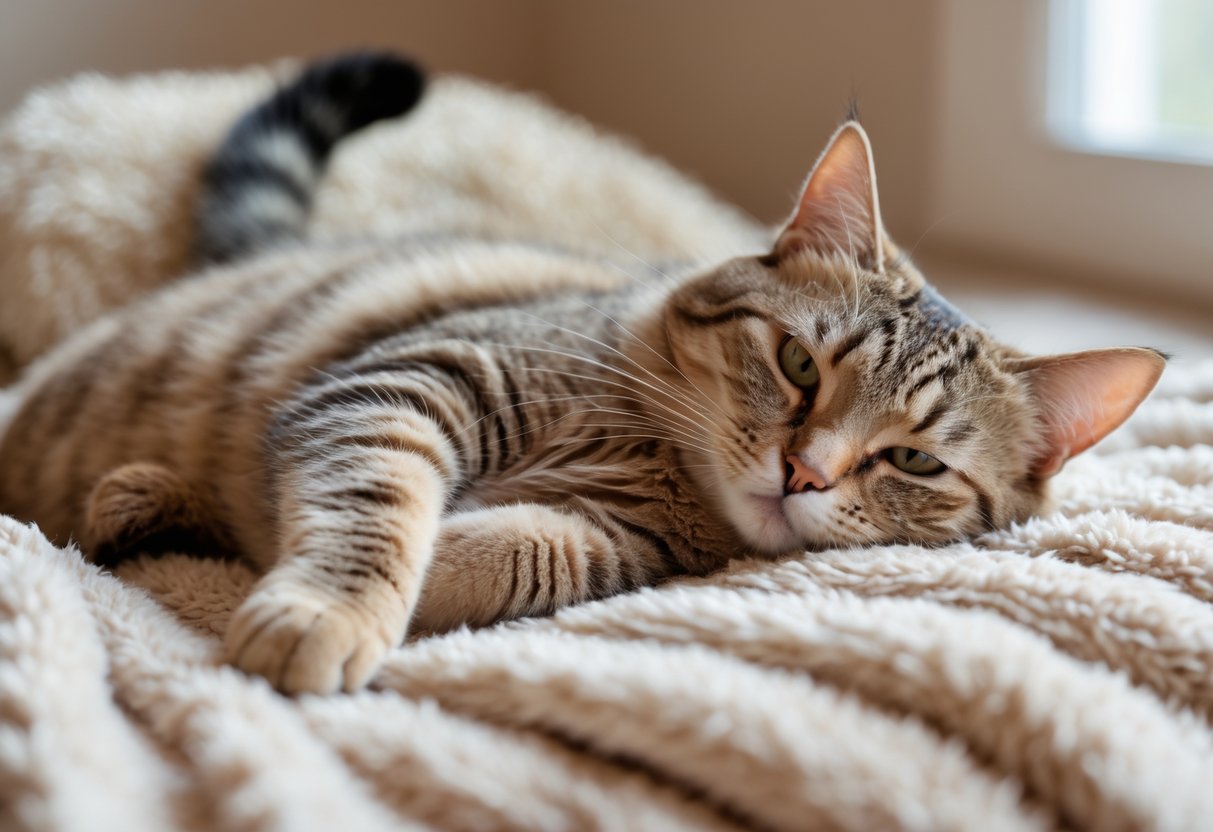
Even if your cat looks totally relaxed, their tail movements say a lot about how they’re feeling. A gentle sway might mean happiness, while a fast thump can show irritation.
Learning these signals just makes it easier to respond to your cat. You start to “get” them a little better.
Key Takeaways
- Cats wag their tails for all sorts of reasons—not just excitement.
- Tail movements give clues about a cat’s emotions and well-being.
- Reading these signals helps you connect better with your cat.
Understanding Cat Tail Wagging While Lying Down
Cat tail wagging actually tells you a lot, even when they’re just chilling. The way they move their tails while lying down can send all kinds of messages about their mood.
Once you start noticing these tail moves, you’ll find it’s easier to connect with your cat. It’s almost like learning a new language.
What Tail Movements Mean in Cats
Cats use their tails to show different emotions. Sometimes a wagging tail means they’re content, but other times it’s a warning.
A slow wag usually means the cat feels relaxed and happy. Quick, sharp wags? Those often mean the cat is annoyed or agitated.
When a cat’s lying down, they might also be spreading their scent to mark their spot. That’s a sign they feel safe where they are.
Different Types of Cat Tail Wags
Cats don’t just wag their tails one way. Each type of wag says something different.
- Slow Wag: Shows calmness or satisfaction. The cat’s pretty chill.
- Fast Wag: This usually means frustration or excitement. The cat might be restless.
- Side-to-Side Movement: Suggests curiosity or playfulness. The cat has noticed something interesting.
It’s important to look at what else is going on to figure out what the wag really means.
Body Language Context Clues
Cats send out all sorts of signals with their bodies. Tail movement is just one piece of the puzzle.
- Ear Position: Ears forward? The cat is curious. Flat ears mean they’re probably annoyed or scared.
- Paw Position: Relaxed cats tuck their paws under. If their paws are outstretched, they might be ready to pounce.
Combining tail movement with other clues really helps you understand what your cat’s feeling. It’s not always obvious, but it’s worth paying attention.
Common Reasons Cats Wag Their Tails While Resting
Cats do a lot of talking with their tails. If you see them wagging their tail while resting, it could mean a few different things.
Sometimes it’s about their mood, sometimes it’s just the situation. Here are a few reasons you might notice this behavior.
Expressing Relaxation or Contentment
If a cat is feeling relaxed or happy, you’ll often see a gentle tail wag while they’re lying down. It’s like their way of saying, “I’m good here.”
Picture your cat stretched out in a sunny spot, slowly thumping their tail. That’s usually a sign they’re loving life in that moment.
Sometimes, if you’re petting them and they wag their tail softly, it means they’re enjoying the attention. It’s a little thank you in cat language.
Signaling Mild Irritation or Annoyance
But not every tail wag is a happy one. Sometimes a cat wags its tail because it’s a bit irritated or bothered, even while resting.
If your cat starts flicking or twitching their tail quickly, take it as a warning. They might not want to be touched right then.
Watch for other signs, too. Flattened ears or narrowed eyes usually mean “back off.”
Communicating Playfulness or Interest
Cats might also wag their tails when they’re feeling playful or curious, even if they’re lying down. It’s like they’re half-awake, but still tuned into what’s happening around them.
If they spot a toy or an insect, you might see that tail swish back and forth. That’s their way of saying, “Hey, I’m interested!”
A slow wag with bright, alert eyes is usually a sign they’re ready for some fun. Playful tail wags are just part of being a cat.
When Cat Tail Wagging Signals Something More
Sometimes, tail wagging isn’t just about excitement or being annoyed. It can also point to stress or even health problems.
It’s important to notice the context and your cat’s overall behavior to figure out what’s going on.
Stress or Anxiety Indicators
If your cat feels stressed or anxious, their tail moves differently. Rapid tail wagging while lying down can mean they’re agitated or frustrated.
Some signs of stress include:
- Tail twitching: Quick flicks usually mean annoyance.
- Body posture: A tense body or flattened ears often go along with tail movements.
- Hiding: If your cat suddenly disappears to a corner, they might feel overwhelmed.
Potential Health Concerns
Sometimes, tail movement links to health issues. If your cat wags its tail while lying down and seems uncomfortable, maybe it’s time to call the vet.
Watch for:
- Tail thumping: Repeated thumping against the ground could mean pain.
- Changes in behavior: A playful cat that suddenly withdraws? That’s a concern.
- Other symptoms: Look for changes in appetite or grooming habits, too.
Paying attention to these signs helps you catch problems early. It’s better to be safe than sorry.
Frequently Asked Questions
Cats wag their tails for all sorts of reasons. Understanding these can help you connect better with your cat. Here are some questions people often have about tail wagging.
What’s up with cats wagging their tails when you pet them?
If your cat wags its tail while you’re petting, it probably has mixed feelings. Maybe they like the attention, but they’re starting to get overstimulated.
It helps to look at other signals—like if their ears go back or their body tenses up. That usually means, “Okay, that’s enough!”
Why might a cat wag its tail while chilling out and purring?
When a cat wags its tail and purrs, they’re usually content. It’s a sign they feel good about their surroundings.
Honestly, it’s their way of showing happiness and comfort. You’ll see this a lot when they feel safe and relaxed.
What motivates a cat to wag its tail super slowly?
A slow tail wag can mean the cat is really focused or thinking hard about something. Maybe they’re watching something interesting, or maybe they’re a little annoyed.
This kind of wag shows they’re paying close attention. It’s not always easy to tell which, but you get better at reading it over time.
Does tail wagging mean the same during kitty nap time and awake time?
Nope, not at all. Tail movements change depending on whether your cat’s awake or asleep.
When awake, wags usually show emotion. During nap time, a flick or twitch might just mean they’re dreaming or lightly sleeping.
Is there a reason my cat flicks its tail when we’re just chatting?
If your cat flicks its tail while you’re talking, they might be intrigued—or maybe a little annoyed. Sometimes it means they want your attention, or they’re just reacting to your voice.
Context is everything. The more you watch, the easier it gets to figure out what they mean.
Do cats have a different vibe when wagging tails on their feet than when they’re lounging?
Yeah, tail movements really change depending on how a cat’s positioned. When a cat’s standing, you’ll often see its tail flick or sway to show alertness or maybe a little excitement.
But if the cat’s lounging, that tail wag feels way more laid-back. It’s like the cat’s just chilling, not bothered by much at all.