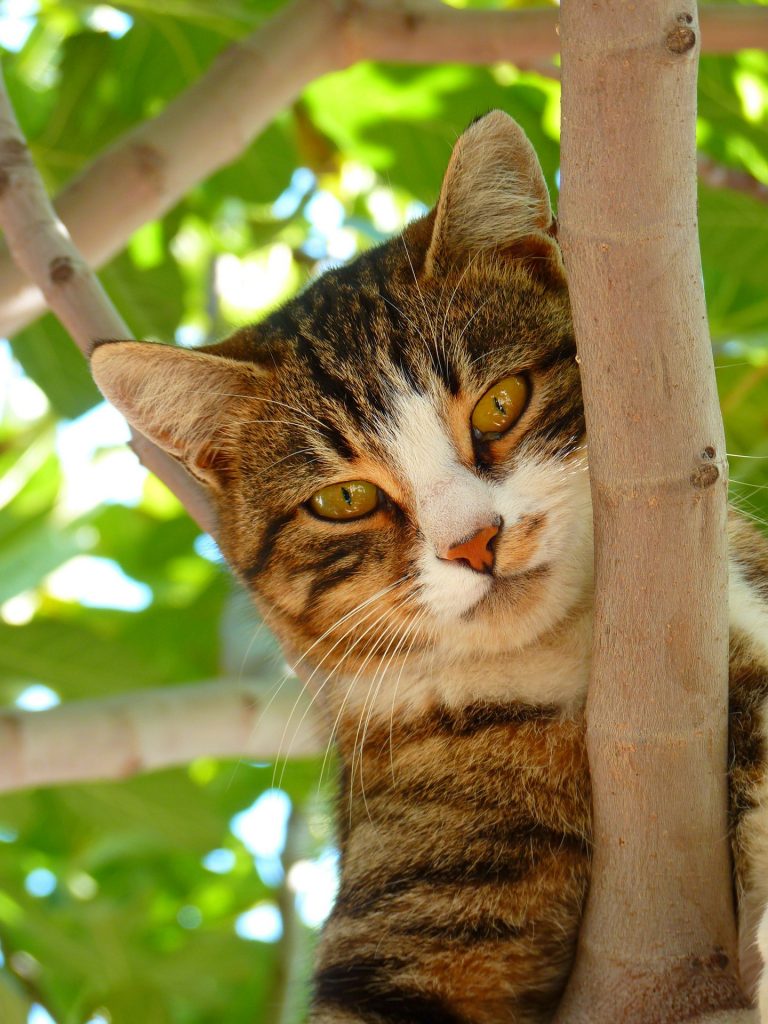
Cats can be full of surprises, and one of the quirkiest behaviors they show is headbutting. This gesture is actually a sign of affection and trust. When a cat headbutts its owner, it’s not just being silly; it’s showing love and marking you with its scent.
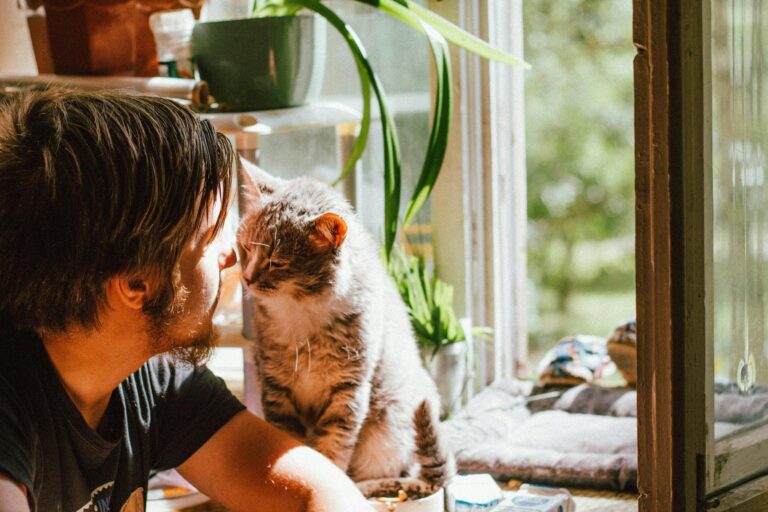
These little bumps can mean a lot of things. They can signal comfort, playfulness, or even a desire for attention. Understanding this behavior helps strengthen the bond between a cat and its owner.
By paying attention to these actions, cat owners can respond better and make their pets feel even more cherished. Knowing why cats headbutt opens up new ways to connect with them.
Key Takeaways
- A headbutt is a sign of affection from a cat.
- Cats use this behavior to mark their territory.
- Responding positively can strengthen the bond with your cat.
Understanding Why Cats Headbutt
Cats have a unique way of showing affection, and headbutting is one of their favorite methods. This behavior can communicate many things, from claiming territory to affection. Knowing why cats headbutt helps owners respond appropriately to their pets.
What Is Cat Headbutting?
Cat headbutting, also known as “bunting,” is when a cat presses its head against a person or another object. They often rub their heads along the person’s legs or face. This action is natural and can happen during playtime or moments of calm.
When a cat headbutts, it’s more than just being cute. The cat is using scent glands located on its head to mark its territory. By doing this, they share their scent with humans or other cats. It’s their way of claiming their space and showing that they feel secure.
Common Reasons Cats Headbutt Their Owners
There are several common reasons why cats headbutt their owners. When a cat does this, it often signifies affection.
1. Affection: A cat may headbutt its owner to show love and trust. It’s similar to a hug in human terms.
2. Social Bonding: Cats are social animals. Headbutting can strengthen their bond with humans.
3. Seeking Attention: Sometimes, cats want your attention. A gentle headbutt might be their way of saying, “Look at me!”
4. Claiming Territory: As mentioned, cats mark their territory using scent. Headbutting is a way to blend their scent with yours.
How Headbutting Differs From Other Cat Behaviors
Headbutting is different from other common cat behaviors. For example, cats might scratch furniture to keep their claws sharp and mark territory. Purring shows contentment, while hissing indicates discomfort or fear.
Unlike scratching or biting, headbutting is typically gentle and friendly. It’s a more positive interaction than other behaviors.
Cats may also nudge with their bodies to gain attention, but headbutting is more focused on the head. Recognizing this difference helps owners understand their cat better.
The Science Behind Cat Headbutting
Cat headbutting might seem like a simple action, but it has several important reasons behind it. This behavior relates to scent marking, social bonding, and instincts from their natural environment.
Scent Marking and Feline Communication
Cats have scent glands on their heads, particularly around their cheeks and forehead. When a cat headbutts, it transfers its scent to the person or object it touches. This is a way for a cat to “mark” someone as safe or familiar.
By leaving its scent, the cat communicates with others. This is part of how they express their territory and build connections. It helps the cat feel secure in its environment.
In the wild, scent marking also plays a role in avoiding conflicts with other cats. By headbutting, they identify friends and rivals.
Social Bonding With Humans
Headbutting is also a way cats bond with their human companions. When a cat approaches and gently bumps its head against a person, it’s showing affection and trust. This behavior mimics how they interact with other cats.
Cats often use headbutting to seek attention or affection. If a cat regularly headbutts a person, it might be a sign of a strong bond. It’s their way of saying “I like you” and asking for companionship.
This interaction strengthens the human-cat relationship. It creates a sense of comfort for both the cat and the owner.
Instincts From Cat Social Structures
Cats are social animals, but they also have parts of their behavior derived from their ancestors. In a group, cats engage in physical contact to bond with others. Headbutting is one way to reinforce these social structures.
Feline social behavior often includes gentle touches and grooming. Headbutting can be a precursor to these types of interactions.
Even domesticated cats retain these instincts. They connect with both other cats and humans in similar ways. This reflects their need for social interaction, whether with other cats or their human friends.
How To Respond To Your Cat’s Headbutts
When a cat headbutts, it shows affection and trust. Responding in a positive way can strengthen this bond. Here are some tips on how to react to these lovable gestures.
Positive Ways To Interact When Your Cat Headbutts
When a cat headbutts, it’s a call for attention. The best response is to pet them gently. Use your hand to scratch their head or chin. Cats often love this.
You can also talk to your cat in a soft voice. This reassures them and fosters connection. If they seem playful, try engaging them with a toy after the headbutt.
A little treat can also add to the moment. Offer something special to show appreciation. This creates positive memories tied to that affectionate behavior.
When Headbutting Indicates Trust
Headbutting means your cat feels safe. It’s a sign of trust. Respect this by allowing them to be close. Cats often headbutt when they want to bond or mark you with their scent.
They may also enjoy leaning into you while headbutting. This shows they want to be near. Give them space to get comfy. Let them choose how long they stay close.
Watching for other body language can help, too. If they purr or knead, they are happy. Respond to this trust with gentle touch and calm energy.
Setting Boundaries Gently If Needed
Not every moment is perfect. Sometimes headbutting can be too much. If a cat is too pushy, it’s okay to set limits.
Gently push them away if it’s uncomfortable. Use a calm voice to say “no” or “stop.” This helps them understand when to back off.
Redirect their energy if necessary. Offer a toy or engage them in play instead. This teaches them there are other ways to express affection.
Always keep responses gentle. Cats may be sensitive to harsh words or actions. Keeping it kind will help them learn without fear.
Frequently Asked Questions
Headbutting is a common behavior in cats that has a few key meanings. It can show affection, mark territory, or just be a quirky way for them to interact with their humans. Here are some questions that often come up about this behavior.
What’s up with my cat bonking their head against me when I’m chilling?
When a cat headbutts, they often want attention or are feeling relaxed. It’s like them saying, “Hey, I like you!” or just checking in. This action might make them feel safe and loved.
Why does my kitty give me a noggin nudge and then a little nibble?
The noggin nudge followed by a nibble is a classic move. It usually means they feel comfortable and want to play or show affection. It’s a friendly gesture that says, “You’re my buddy.”
Is it cool to bump heads with my cat, or is that just weird?
Bumping heads is perfectly fine! Many cats enjoy this interaction. It’s a way for them to feel close and connect with their owner. Just make sure your cat is in the mood for it.
My cat headbutts me while getting pets – is that their love language or what?
Yes, it is a form of their love language! When a cat headbutts while being petted, it shows they enjoy the moment. They are expressing trust and affection, so keep on with the pets.
My furball headbutts and purrs at me – are they just super happy or what?
Absolutely! A headbutt combined with purring usually means contentment. Your cat feels safe and happy in your presence. It’s like a little celebration of their bond with you.
Why does my cat think it’s okay to headbutt me in the middle of my sleep?
Cats are creatures of habit, and if they headbutt during your sleep, it may be their way of saying they want attention or food. This behavior can also be a sign of affection. They might think it’s a good time to wake you up.